
Weekly Security Update Week 1
Penetration testing requires careful planning and methodical execution to effectively identify security vulnerabilities. Weekly security updates help
Weekly Security Update Week 1

Penetration testing requires careful planning and methodical execution to effectively identify security vulnerabilities.
Weekly security updates help organizations stay current with emerging threats and patch critical vulnerabilities before attackers can exploit them.
Key Components of Week 1 Security Testing
- Information gathering & reconnaissance
- Vulnerability scanning
- Initial access testing
- Documentation of findings
Recommended Testing Schedule
Day
Focus Area
Monday
Network mapping & enumeration
Tuesday
Web application testing
Wednesday
System vulnerability analysis
Thursday
Access control testing
Friday
Report compilation
Essential Tools for Week 1
- Nmap – Network discovery and security auditing
- Wireshark – Network protocol analysis
- Metasploit – Penetration testing framework
- Burp Suite – Web application security testing
Best Practices
- Obtain written permission before testing
- Document all testing activities
- Use dedicated testing environments
- Follow responsible disclosure procedures
Contact your organization’s security team or FIRST for guidance on setting up a testing program.
Common Week 1 Findings
- Unpatched systems
- Default credentials
- Misconfigured services
- Exposed sensitive information
Document findings using the Common Vulnerability Scoring System (CVSS) to properly communicate risk levels.
Next Steps
- Review initial findings
- Prioritize vulnerabilities
- Plan remediation steps
- Prepare for Week 2 testing
Remember to maintain detailed logs of all testing activities for audit purposes.
Advancing the Security Assessment
Week 2 Testing Focus Areas
- Social engineering assessment
- Wireless network security
- Password policy compliance
- Data exfiltration testing
Extended Testing Schedule
Day
Focus Area
Monday
Social engineering campaigns
Tuesday
Wireless penetration testing
Wednesday
Password strength analysis
Thursday
Data security controls
Friday
Final assessment review
Advanced Testing Tools
- SET – Social Engineering Toolkit
- Aircrack-ng – Wireless network testing
- John the Ripper – Password cracking
- OpenVAS – Vulnerability assessment
Conclusion
Effective security testing requires a combination of automated tools, manual assessment, and careful documentation. Organizations should maintain regular testing schedules and update security measures based on findings.
Final Recommendations
- Establish continuous monitoring processes
- Implement regular training programs
- Maintain incident response plans
- Schedule quarterly security reviews
Report all critical findings to management and maintain compliance with security standards and regulations.
FAQs
- What is penetration testing, and why is it important?
Penetration testing is a controlled cybersecurity assessment where authorized professionals simulate cyberattacks to identify vulnerabilities in systems, networks, applications, and security controls. It’s crucial for identifying security gaps before malicious actors can exploit them. - What are the different types of penetration testing?
The main types include external network testing, internal network testing, web application testing, wireless network testing, social engineering testing, and physical security testing. - How often should organizations conduct penetration tests?
Organizations should conduct penetration tests at least annually, after major infrastructure changes, following significant application updates, or when required by compliance standards like PCI DSS. - What’s the difference between automated and manual penetration testing?
Automated testing uses tools to scan for known vulnerabilities quickly, while manual testing involves human expertise to identify complex vulnerabilities, logic flaws, and unique attack scenarios that automated tools might miss. - What certifications are recommended for penetration testers?
Key certifications include Certified Ethical Hacker (CEH), GIAC Penetration Tester (GPEN), Offensive Security Certified Professional (OSCP), and CompTIA PenTest+. - What are the phases of a penetration test?
The phases include planning and reconnaissance, scanning, vulnerability assessment, exploitation, post-exploitation, and reporting with remediation recommendations. - What’s the difference between black box, white box, and grey box testing?
Black box testing provides no prior information about the target system, white box testing provides complete information, and grey box testing provides partial information to the tester. - What common tools are used in penetration testing?
Popular tools include Metasploit, Nmap, Wireshark, Burp Suite, OWASP ZAP, Nessus, and Kali Linux distribution. - What should be included in a penetration testing report?
A comprehensive report should include an executive summary, methodology, findings, risk ratings, technical details of vulnerabilities, proof of concept, and specific remediation recommendations. - How does penetration testing differ from vulnerability scanning?
Penetration testing involves active exploitation of vulnerabilities and requires human expertise, while vulnerability scanning is typically automated and only identifies potential vulnerabilities without exploitation.

Author: Editor

December 18, 2024
Related Posts
Tool Documentation Standards
documentation standards
Documentation standards ensure consistency, clarity, and effectiveness when recording findings during penetration testing engagements. Proper documentation helps security teams track vulnerabilities, communicate issues to stakeholders, and maintain an audit trail ... Read more
Testing Tool Integration
tool integration
Testing tool integration is a critical aspect of cybersecurity assessment that combines various security testing tools to create a more robust and comprehensive penetration testing workflow. Security professionals need efficient ... Read more
Automation Framework Design

automation framework
An automation framework streamlines and standardizes penetration testing processes, making security assessments more efficient and repeatable. Properly designed frameworks reduce manual effort while maintaining testing quality and consistency across different ... Read more
Exploitation Tool Development
tool development
Penetration testing tools require careful development to effectively identify security vulnerabilities in systems and networks. Security professionals need specialized exploitation tools that can safely simulate real-world attacks without causing damage. ... Read more
Security Tool Architecture
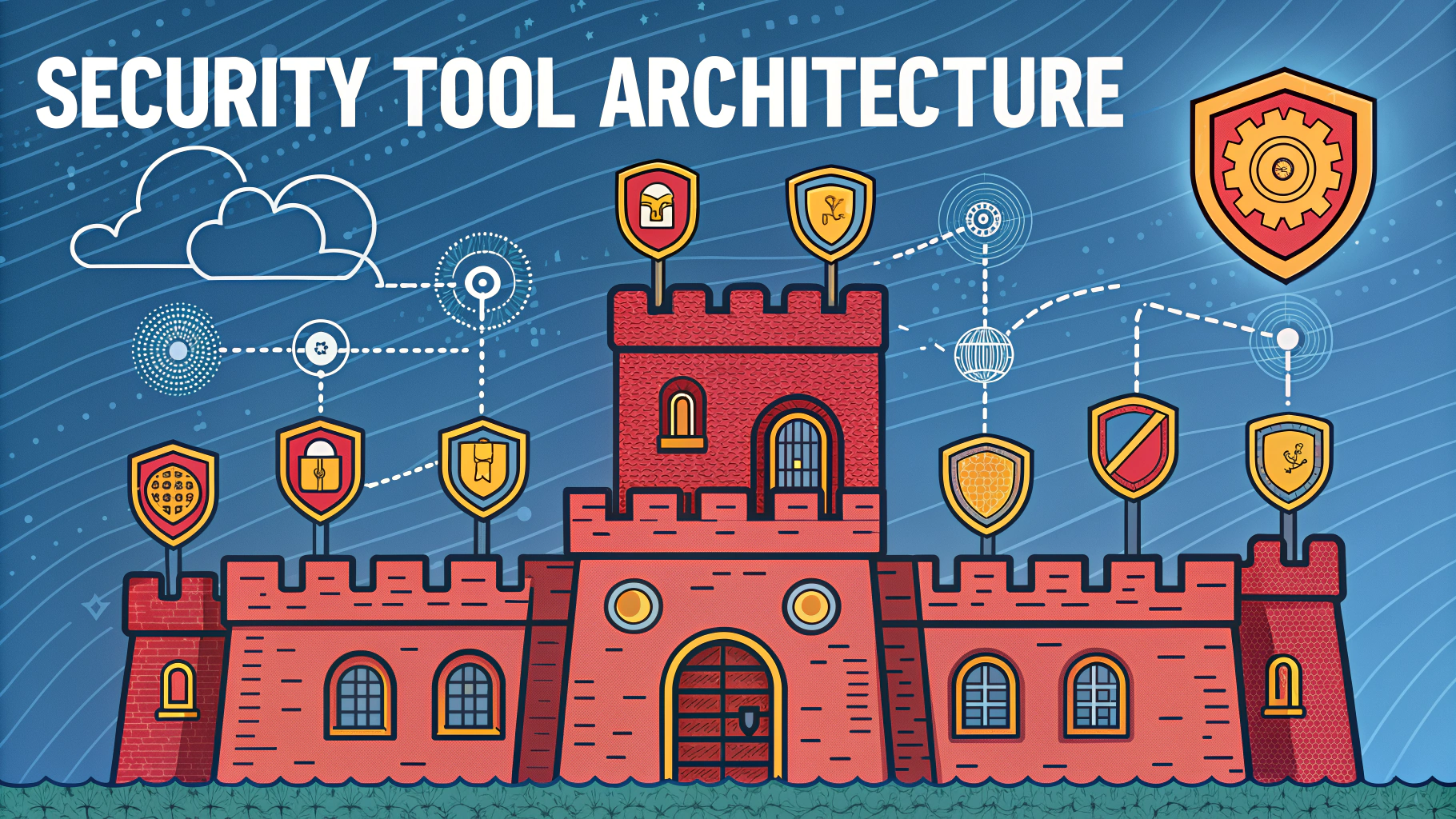
tool architecture
Security tool architecture forms the backbone of effective penetration testing, enabling security professionals to systematically probe systems for vulnerabilities. A well-structured security testing toolkit combines reconnaissance tools, vulnerability scanners, exploitation ... Read more
Build Server Security

build security
Security testing of build servers protects the foundation of software development and deployment processes from potential threats and vulnerabilities. Build servers handle sensitive data, access credentials, and control deployment pipelines, ... Read more
Secret Management

secrets management
Secret management stands as a cornerstone of cybersecurity, particularly during penetration testing operations where handling sensitive data requires meticulous care and precision. Penetration testers must safeguard various types of secrets ... Read more
Deployment Security

deployment security
Penetration testing during deployment phases helps organizations identify security vulnerabilities before applications go live. Security teams use automated and manual testing methods to simulate real-world attacks against newly deployed systems ... Read more