Security Management Track
Security management tracks specializing in penetration testing prepare professionals to identify and exploit system vulnerabilities before malicious a
Security Management Track

Security management tracks specializing in penetration testing prepare professionals to identify and exploit system vulnerabilities before malicious actors can.
Modern organizations need skilled penetration testers who can think like attackers while maintaining ethical standards and documentation practices.
This guide explores key components of penetration testing career paths, required skills, and practical steps to enter this high-demand cybersecurity specialization.
Core Skills Required
- Programming fundamentals (Python, Bash, PowerShell)
- Networking protocols and architecture
- Operating system internals (Linux, Windows)
- Web application security
- Vulnerability assessment tools
- Report writing and documentation
Essential Certifications
- CompTIA Security+ – Entry-level security certification
- CEH (Certified Ethical Hacker) – Industry-standard penetration testing certification
- OSCP (Offensive Security Certified Professional) – Hands-on penetration testing certification
- GPEN (GIAC Penetration Tester) – Advanced penetration testing certification
Professional Tools
- Kali Linux – Security testing operating system
- Metasploit Framework – Exploitation framework
- Burp Suite – Web application testing tool
- Nmap – Network mapping tool
- Wireshark – Network protocol analyzer
Career Progression Path
- Junior Penetration Tester ($65,000 – $85,000)
- Penetration Tester ($85,000 – $115,000)
- Senior Penetration Tester ($115,000 – $150,000)
- Security Consultant/Manager ($130,000 – $180,000)
Training Resources
- HackTheBox – Practice environment
- VulnHub – Vulnerable machines for practice
- Pentester Academy – Structured learning
- Offensive Security – Professional training
Building Your Lab
Set up a home lab using virtualization software like VirtualBox or VMware.
Install vulnerable machines and applications from VulnHub or OWASP.
Practice with isolated networks to avoid accidental exposure.
Legal Considerations
- Obtain written permission before testing
- Document scope and boundaries clearly
- Maintain confidentiality of findings
- Follow responsible disclosure practices
Next Steps for Success
Join professional organizations like OWASP and attend security conferences.
Build a portfolio of documented test cases and findings.
Network with experienced penetration testers through LinkedIn and security forums.
Stay current with new vulnerabilities and attack techniques through continuous learning.
Industry Specializations
- Web Application Security Testing
- Mobile Application Testing
- Network Infrastructure Testing
- Cloud Security Assessment
- IoT Device Testing
- Social Engineering
Professional Ethics
- Maintain client confidentiality
- Work within defined scope
- Report findings accurately
- Avoid unauthorized access
- Protect sensitive data
- Follow industry standards
Common Challenges
- Evolving threat landscape
- Complex enterprise environments
- Time constraints
- Limited access to systems
- Regulatory compliance
Documentation Best Practices
Report Components
- Executive Summary
- Technical Findings
- Risk Ratings
- Remediation Steps
- Evidence and Screenshots
Advancing Your Penetration Testing Career
Focus on continuous skill development and specialization in emerging technologies.
Build relationships with security communities and contribute to open-source projects.
Maintain professional certifications and stay informed about industry trends.
Document your achievements and create detailed technical write-ups of your work.
FAQs
- What is security management with a focus on penetration testing?
Security management with penetration testing is a systematic approach to identifying, assessing, and testing an organization’s security vulnerabilities through controlled cyber attacks to evaluate system defenses. - What skills are essential for a career in penetration testing?
Core skills include programming (Python, Bash, PowerShell), networking fundamentals, operating system knowledge (Linux/Windows), web application security, and familiarity with security tools like Metasploit, Burp Suite, and Nmap. - What certifications are valuable for penetration testing professionals?
Key certifications include Offensive Security Certified Professional (OSCP), CompTIA PenTest+, Certified Ethical Hacker (CEH), GIAC Penetration Tester (GPEN), and EC-Council Licensed Penetration Tester (LPT). - What are the different types of penetration testing?
Main types include network penetration testing, web application testing, wireless network testing, social engineering testing, and physical security testing. - What is the difference between black box, white box, and gray box testing?
Black box testing involves no prior knowledge of the system, white box testing provides complete system information, and gray box testing offers partial information about the target system. - How often should organizations conduct penetration tests?
Organizations should conduct penetration tests at least annually, after significant infrastructure changes, following major application updates, or as required by compliance regulations like PCI DSS. - What are the phases of a penetration test?
The phases include reconnaissance, scanning, vulnerability assessment, exploitation, post-exploitation, and reporting/documentation. - What legal considerations should penetration testers be aware of?
Penetration testers must obtain written permission (scope of work), follow data protection laws, maintain confidentiality, avoid system damage, and comply with regional cybersecurity regulations. - What tools are commonly used in penetration testing?
Popular tools include Kali Linux, Wireshark, Nessus, Metasploit Framework, Burp Suite, John the Ripper, and Aircrack-ng. - How do you document and report penetration testing findings?
Documentation should include executive summaries, technical details, risk ratings, vulnerability descriptions, proof of concepts, and detailed remediation recommendations.

Author: Editor

June 19, 2025
Related Posts
Tool Documentation Standards
documentation standards
Documentation standards ensure consistency, clarity, and effectiveness when recording findings during penetration testing engagements. Proper documentation helps security teams track vulnerabilities, communicate issues to stakeholders, and maintain an audit trail ... Read more
Testing Tool Integration
tool integration
Testing tool integration is a critical aspect of cybersecurity assessment that combines various security testing tools to create a more robust and comprehensive penetration testing workflow. Security professionals need efficient ... Read more
Automation Framework Design

automation framework
An automation framework streamlines and standardizes penetration testing processes, making security assessments more efficient and repeatable. Properly designed frameworks reduce manual effort while maintaining testing quality and consistency across different ... Read more
Exploitation Tool Development

tool development
Penetration testing tools require careful development to effectively identify security vulnerabilities in systems and networks. Security professionals need specialized exploitation tools that can safely simulate real-world attacks without causing damage. ... Read more
Security Tool Architecture
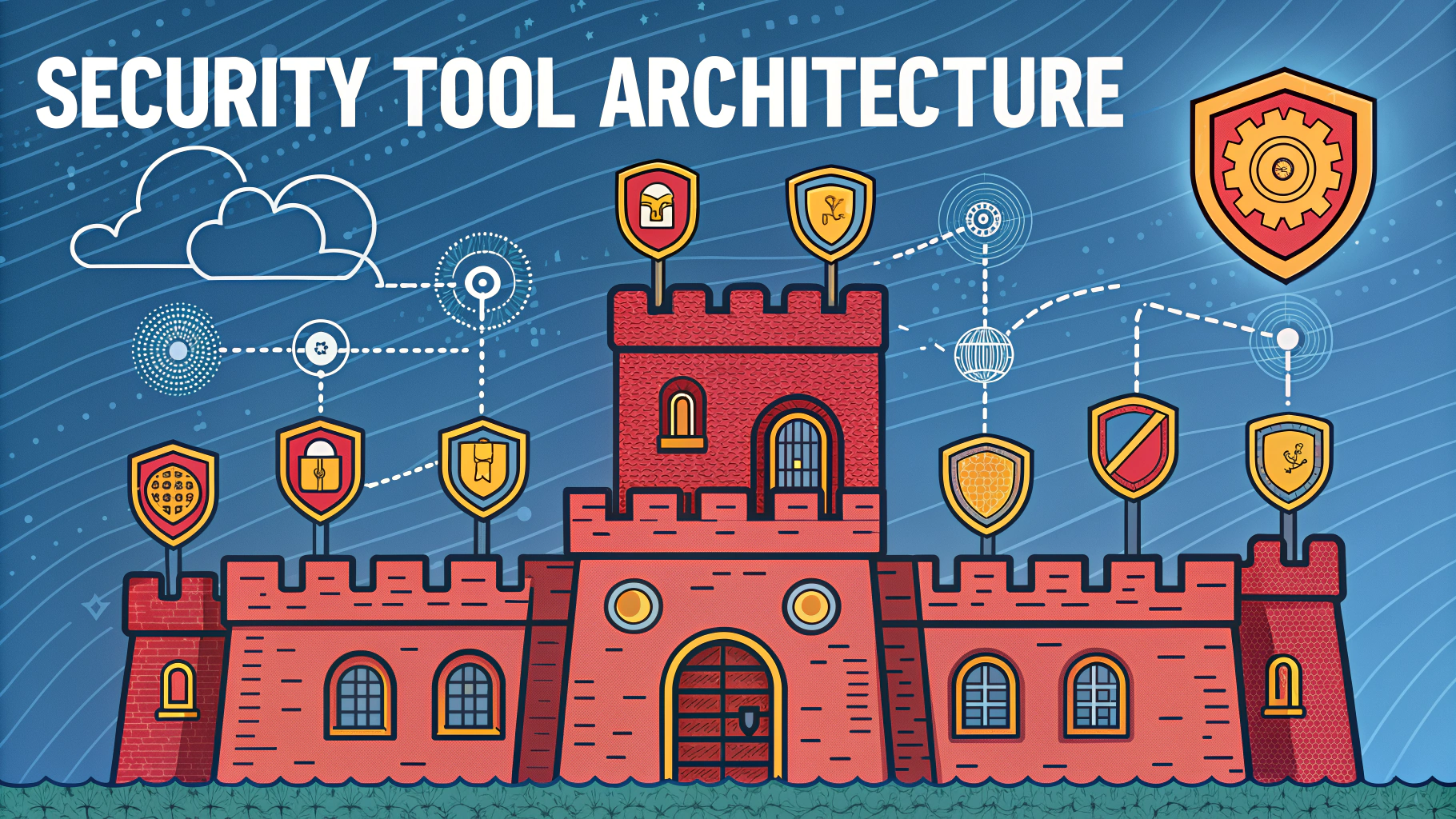
tool architecture
Security tool architecture forms the backbone of effective penetration testing, enabling security professionals to systematically probe systems for vulnerabilities. A well-structured security testing toolkit combines reconnaissance tools, vulnerability scanners, exploitation ... Read more
Build Server Security

build security
Security testing of build servers protects the foundation of software development and deployment processes from potential threats and vulnerabilities. Build servers handle sensitive data, access credentials, and control deployment pipelines, ... Read more
Secret Management

secrets management
Secret management stands as a cornerstone of cybersecurity, particularly during penetration testing operations where handling sensitive data requires meticulous care and precision. Penetration testers must safeguard various types of secrets ... Read more
Deployment Security

deployment security
Penetration testing during deployment phases helps organizations identify security vulnerabilities before applications go live. Security teams use automated and manual testing methods to simulate real-world attacks against newly deployed systems ... Read more