Current Threat Landscape
The threat landscape for cybersecurity continues to evolve at a rapid pace, with new vulnerabilities and attack vectors emerging regularly. Ransomware
Current Threat Landscape

The threat landscape for cybersecurity continues to evolve at a rapid pace, with new vulnerabilities and attack vectors emerging regularly.
Ransomware attacks have increased by 300% since 2019, with organizations facing average downtime of 21 days after an incident.
Current Major Threats
- Supply chain attacks targeting third-party vendors
- Zero-day exploits in common software
- Cloud service misconfiguration
- IoT device vulnerabilities
- AI-powered attack automation
Emerging Attack Vectors
Vector
Risk Level
Trend
5G Infrastructure
High
Increasing
Remote Work Systems
High
Stable
Cryptocurrency Platforms
Medium
Increasing
Defense Strategies
- Regular Testing: Implement continuous security testing instead of annual assessments
- Attack Surface Monitoring: Use tools like Shodan and SecurityScorecard
- Threat Intelligence: Subscribe to threat feeds from sources like US-CERT
Small businesses now face the same sophisticated attacks previously targeting only large enterprises.
Quick Prevention Tips
- Update security testing tools weekly
- Monitor dark web for leaked credentials
- Test incident response procedures monthly
- Scan for misconfigurations daily
Resources for Staying Updated:
Organizations should focus on adaptable security programs that can quickly respond to new threats.
Common Attack Statistics (2023)
- Phishing: 36% of breaches
- Credential theft: 25% of incidents
- Ransomware: 10% of attacks
- Zero-day exploits: 5% of compromises
Security teams need to allocate resources based on current threat intelligence rather than historical patterns.
Contact your local CERT team (directory available here) for immediate threat alerts in your region.
Impact Analysis
Financial impacts of cybersecurity incidents have doubled since 2021, with average breach costs reaching $4.35 million per incident.
Industry-Specific Concerns
- Healthcare: Patient data exposure and medical device tampering
- Finance: Payment system vulnerabilities and real-time transaction fraud
- Manufacturing: Industrial control system attacks and IP theft
- Retail: POS malware and customer data breaches
Regulatory Compliance Updates
Framework
Key Changes
Deadline
GDPR
Enhanced AI regulations
2024
NIST
Zero Trust requirements
2023
ISO 27001
Cloud security controls
2024
Future Outlook
Artificial intelligence and quantum computing will fundamentally change both attack and defense mechanisms in cybersecurity.
Predicted Developments
- AI-driven threat hunting becoming standard
- Quantum-resistant encryption adoption
- Automated response systems integration
- Blockchain-based identity verification
Conclusion
Organizations must adopt proactive security postures and invest in emerging technologies to maintain effective defense capabilities. Success requires continuous adaptation to evolving threats and regular assessment of security controls.
Action Items
- Develop comprehensive incident response plans
- Implement zero-trust architecture
- Establish security awareness training programs
- Deploy automated threat detection tools
Stay informed about emerging threats and maintain regular communication with security partners and vendors to ensure optimal protection.
FAQs
- What are the most prevalent cyber threats in the current landscape?
The most common threats include ransomware attacks, supply chain compromises, zero-day exploits, cloud security vulnerabilities, IoT device attacks, and advanced persistent threats (APTs). - How has COVID-19 impacted the cybersecurity threat landscape?
Remote work expansion has increased attack surfaces through VPN vulnerabilities, unsecured home networks, and cloud service adoption, leading to more sophisticated phishing attacks and remote access exploits. - What role do zero-day exploits play in current penetration testing?
Zero-day vulnerabilities are increasingly targeted in penetration testing to identify unknown security gaps before malicious actors can exploit them, particularly in widely-used software and systems. - How are AI and machine learning affecting the threat landscape?
AI is being used both defensively in threat detection and offensively in automated attacks, making penetration testing more complex and requiring advanced detection methodologies. - What are the emerging threats in cloud infrastructure?
Major threats include misconfigured cloud services, insecure APIs, container vulnerabilities, serverless function attacks, and identity and access management (IAM) weaknesses. - How has ransomware evolved in recent years?
Ransomware has evolved to include double extortion tactics, targeting supply chains, utilizing cryptocurrency for payments, and implementing more sophisticated encryption methods. - What are the current mobile security threats?
Mobile threats include advanced mobile malware, banking trojans, surveillance software, app-based attacks, and compromised enterprise mobile device management systems. - Why is supply chain security becoming more critical in penetration testing?
Supply chain attacks target trusted vendor relationships and software dependencies, requiring comprehensive testing of third-party integrations and software components. - What IoT security challenges are penetration testers focusing on?
Key IoT security challenges include default credentials, firmware vulnerabilities, insecure communication protocols, and lack of encryption in data transmission. - How are social engineering attacks evolving?
Social engineering now includes sophisticated deepfake technology, targeted spear-phishing, business email compromise (BEC), and AI-driven impersonation attacks.

Author: Editor

December 18, 2024
Related Posts
Tool Documentation Standards
documentation standards
Documentation standards ensure consistency, clarity, and effectiveness when recording findings during penetration testing engagements. Proper documentation helps security teams track vulnerabilities, communicate issues to stakeholders, and maintain an audit trail ... Read more
Testing Tool Integration
tool integration
Testing tool integration is a critical aspect of cybersecurity assessment that combines various security testing tools to create a more robust and comprehensive penetration testing workflow. Security professionals need efficient ... Read more
Automation Framework Design

automation framework
An automation framework streamlines and standardizes penetration testing processes, making security assessments more efficient and repeatable. Properly designed frameworks reduce manual effort while maintaining testing quality and consistency across different ... Read more
Exploitation Tool Development
tool development
Penetration testing tools require careful development to effectively identify security vulnerabilities in systems and networks. Security professionals need specialized exploitation tools that can safely simulate real-world attacks without causing damage. ... Read more
Security Tool Architecture
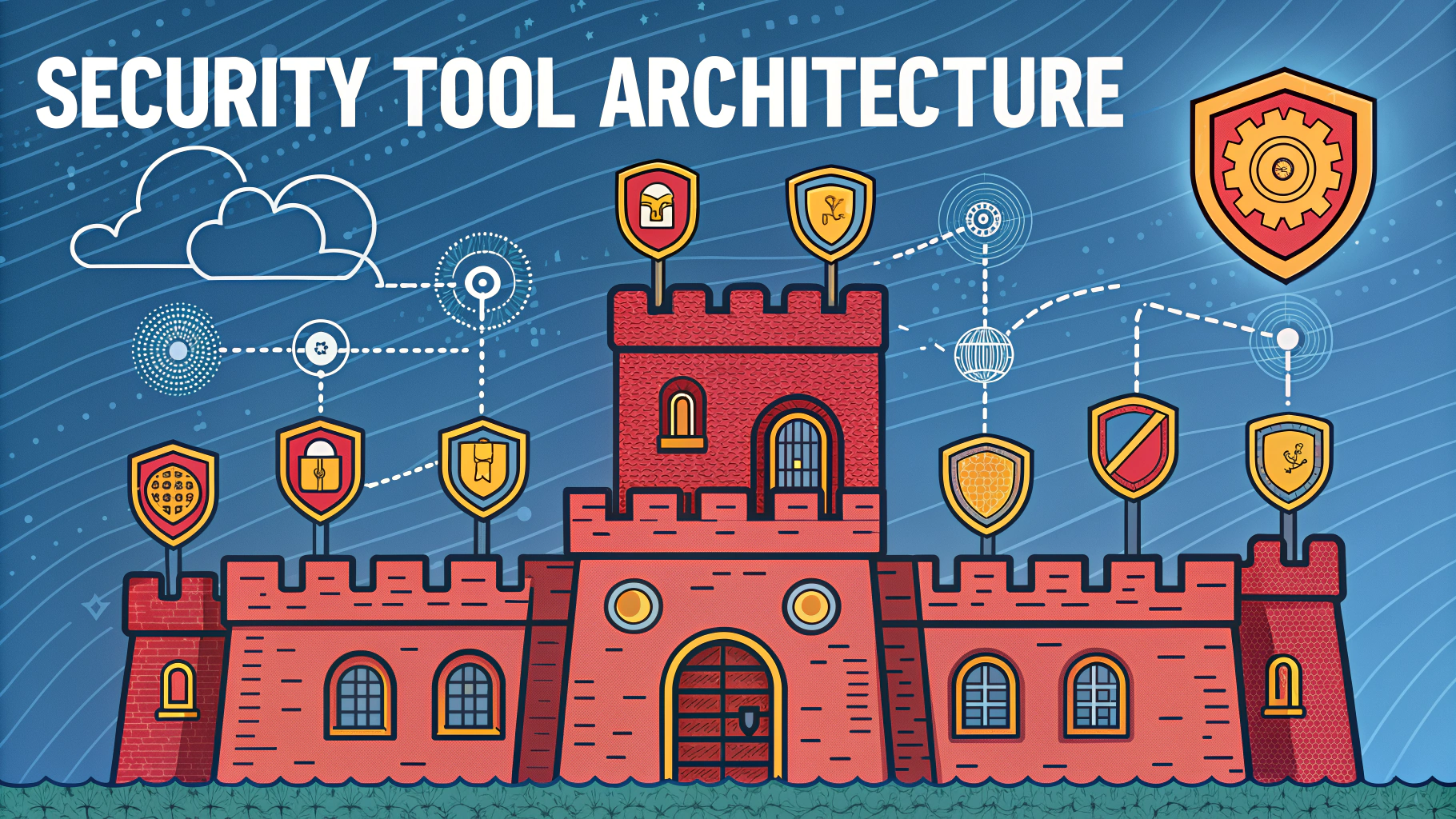
tool architecture
Security tool architecture forms the backbone of effective penetration testing, enabling security professionals to systematically probe systems for vulnerabilities. A well-structured security testing toolkit combines reconnaissance tools, vulnerability scanners, exploitation ... Read more
Build Server Security
build security
Security testing of build servers protects the foundation of software development and deployment processes from potential threats and vulnerabilities. Build servers handle sensitive data, access credentials, and control deployment pipelines, ... Read more
Secret Management

secrets management
Secret management stands as a cornerstone of cybersecurity, particularly during penetration testing operations where handling sensitive data requires meticulous care and precision. Penetration testers must safeguard various types of secrets ... Read more
Deployment Security
deployment security
Penetration testing during deployment phases helps organizations identify security vulnerabilities before applications go live. Security teams use automated and manual testing methods to simulate real-world attacks against newly deployed systems ... Read more