
Conference Talk Highlights
Penetration testing reveals security weaknesses in computer systems and networks before malicious hackers can exploit them. Professional pentesters us
Conference Talk Highlights

Penetration testing reveals security weaknesses in computer systems and networks before malicious hackers can exploit them.
Professional pentesters use the same tools and techniques as criminal hackers, but with explicit permission to help organizations improve their defenses.
This guide covers key penetration testing concepts, methodologies, and tools used by security professionals to protect systems.
Types of Penetration Tests
- Black Box Testing – Testers have no prior knowledge of the target system
- White Box Testing – Complete system information is provided upfront
- Gray Box Testing – Limited system knowledge is shared with testers
- External Testing – Focuses on publicly exposed assets
- Internal Testing – Simulates insider threats
Essential Pentesting Tools
- Nmap – Network mapping and port scanning
- Metasploit – Exploitation framework
- Wireshark – Network protocol analyzer
- Burp Suite – Web application security testing
- John the Ripper – Password cracking
Testing Methodology
- Reconnaissance and Information Gathering
- Scanning and Enumeration
- Gaining Access
- Maintaining Access
- Covering Tracks
- Analysis and Reporting
Legal Considerations
Always obtain written permission before conducting any penetration testing activities.
Document the scope, timeline, and authorized testing methods in a formal agreement.
Check local and international laws regarding cybersecurity testing.
Common Attack Vectors
- Social Engineering
- Password Attacks
- Network Vulnerabilities
- Web Application Flaws
- Operating System Exploits
Reporting Best Practices
Structure reports with executive summaries, technical details, and remediation steps.
Prioritize vulnerabilities based on risk level and potential impact.
Include clear reproduction steps for each finding.
Additional Resources
- Offensive Security – Training and certification
- SANS Institute – Security research and education
- OWASP – Web application security resources
Taking Action
Start with a small scope and gradually expand testing as experience grows.
Practice in legal environments like Hack The Box or VulnHub.
Join professional organizations like ISSA or ISACA for networking and resources.
Testing Environment Setup
Configure isolated lab environments to safely practice penetration testing techniques.
- Virtual machines running vulnerable systems
- Network segmentation tools
- Dedicated testing hardware
- Backup and restore capabilities
Documentation and Record Keeping
Maintain detailed records of all testing activities and findings.
- Test case documentation
- Screenshots and evidence
- Communication logs
- Change management records
Advanced Testing Techniques
Wireless Network Testing
- WPA/WPA2 security assessment
- Rogue access point detection
- Bluetooth vulnerability scanning
IoT Device Testing
- Firmware analysis
- Communication protocol assessment
- Hardware security testing
Continuous Security Assessment
Implement regular testing cycles to maintain strong security posture.
- Quarterly vulnerability assessments
- Annual comprehensive penetration tests
- Ongoing automated security scanning
Strengthening Your Security Posture
Build a robust security program by combining penetration testing with other security measures.
Stay current with emerging threats and evolving attack techniques.
Foster a security-aware culture within your organization through regular training and updates.
FAQs
- What exactly is penetration testing?
Penetration testing is a controlled cybersecurity assessment where security professionals simulate real-world attacks to identify vulnerabilities in systems, networks, or applications. - What are the main types of penetration testing?
The main types include network penetration testing, web application testing, wireless network testing, social engineering testing, and physical security testing. - How often should organizations conduct penetration testing?
Organizations should conduct penetration tests at least annually, after major infrastructure changes, or when implementing new systems or applications. - What’s the difference between automated and manual penetration testing?
Automated testing uses tools to scan for known vulnerabilities, while manual testing involves human expertise to identify complex vulnerabilities and validate results. - What qualifications should a penetration tester have?
Professional certifications like CEH, OSCP, or CREST, along with strong knowledge of networking, programming, and security concepts are essential. - What are the phases of a penetration test?
The phases include planning, reconnaissance, scanning, vulnerability assessment, exploitation, post-exploitation, and reporting. - What’s the difference between black box, white box, and grey box testing?
Black box testing involves no prior knowledge, white box testing provides complete system information, and grey box testing offers partial information about the target. - What common tools are used in penetration testing?
Popular tools include Metasploit, Nmap, Wireshark, Burp Suite, and Kali Linux. - How is a penetration test different from a vulnerability assessment?
Vulnerability assessments identify and list vulnerabilities, while penetration testing actively exploits vulnerabilities to demonstrate potential impact. - What should be included in a penetration testing report?
Reports should include executive summary, methodology, findings, risk ratings, technical details, and remediation recommendations.

Author: Editor

April 3, 2025
Related Posts
Tool Documentation Standards
documentation standards
Documentation standards ensure consistency, clarity, and effectiveness when recording findings during penetration testing engagements. Proper documentation helps security teams track vulnerabilities, communicate issues to stakeholders, and maintain an audit trail ... Read more
Testing Tool Integration
tool integration
Testing tool integration is a critical aspect of cybersecurity assessment that combines various security testing tools to create a more robust and comprehensive penetration testing workflow. Security professionals need efficient ... Read more
Automation Framework Design

automation framework
An automation framework streamlines and standardizes penetration testing processes, making security assessments more efficient and repeatable. Properly designed frameworks reduce manual effort while maintaining testing quality and consistency across different ... Read more
Exploitation Tool Development
tool development
Penetration testing tools require careful development to effectively identify security vulnerabilities in systems and networks. Security professionals need specialized exploitation tools that can safely simulate real-world attacks without causing damage. ... Read more
Security Tool Architecture
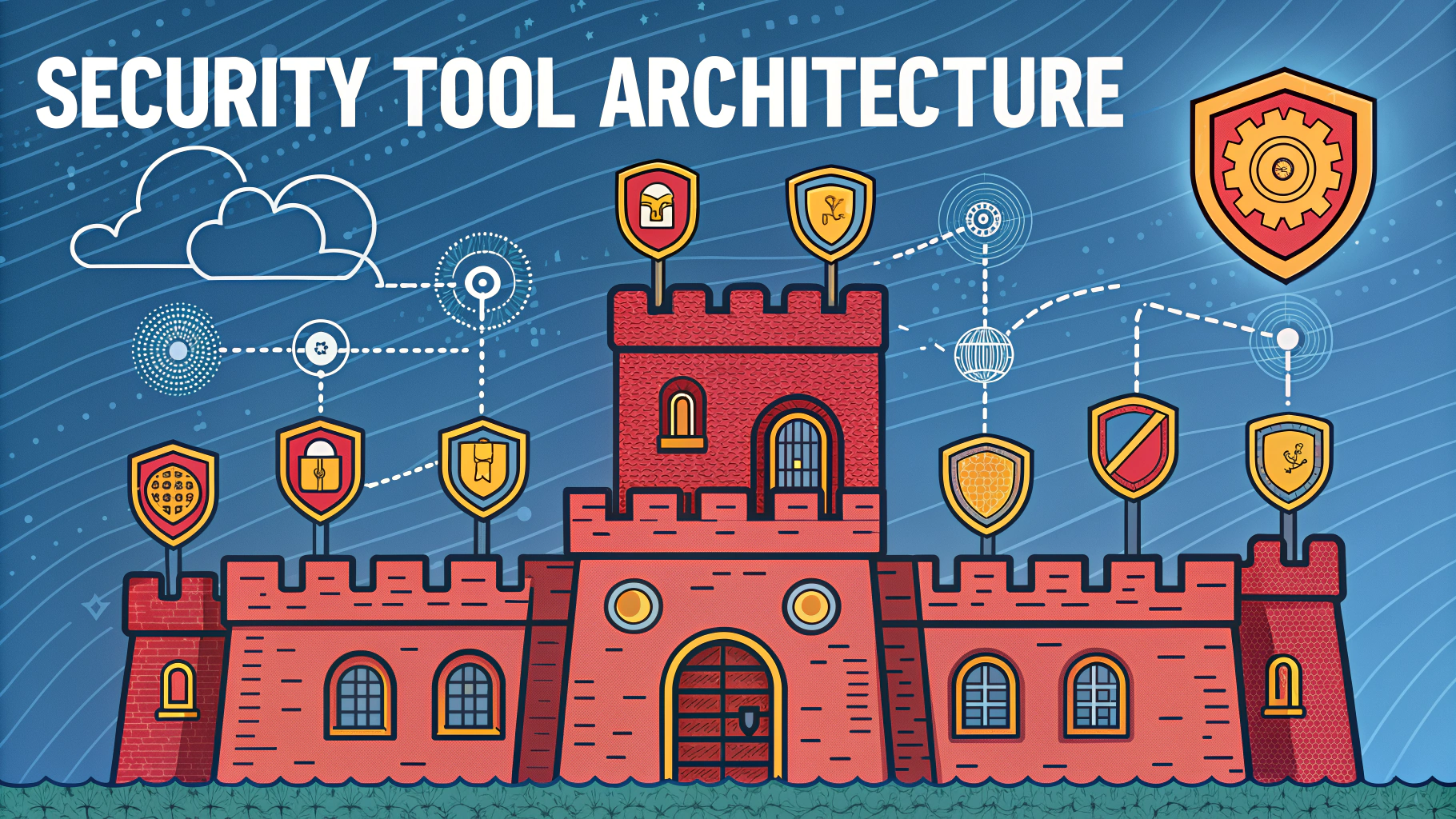
tool architecture
Security tool architecture forms the backbone of effective penetration testing, enabling security professionals to systematically probe systems for vulnerabilities. A well-structured security testing toolkit combines reconnaissance tools, vulnerability scanners, exploitation ... Read more
Build Server Security

build security
Security testing of build servers protects the foundation of software development and deployment processes from potential threats and vulnerabilities. Build servers handle sensitive data, access credentials, and control deployment pipelines, ... Read more
Secret Management

secrets management
Secret management stands as a cornerstone of cybersecurity, particularly during penetration testing operations where handling sensitive data requires meticulous care and precision. Penetration testers must safeguard various types of secrets ... Read more
Deployment Security

deployment security
Penetration testing during deployment phases helps organizations identify security vulnerabilities before applications go live. Security teams use automated and manual testing methods to simulate real-world attacks against newly deployed systems ... Read more