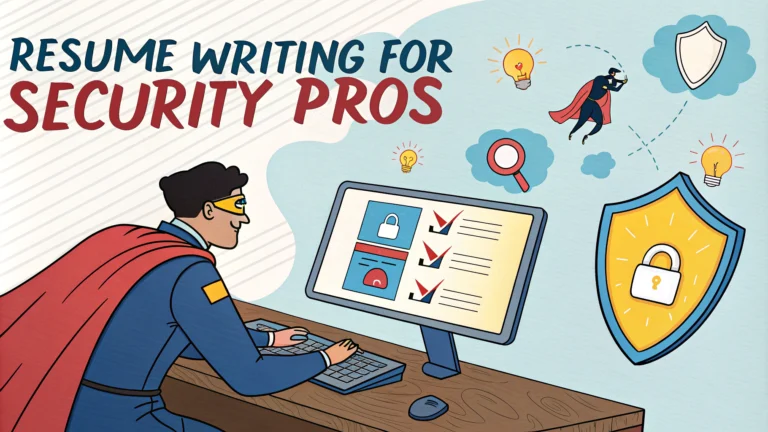
Security professionals need specialized resumes that highlight their technical expertise, certifications, and hands-on experience in penetration testing and cybersecurity.
A well-crafted resume for penetration testing roles should emphasize practical achievements, successful security assessments, and specific tools mastery.
This guide shows how to create an effective resume that catches the attention of security hiring managers and recruiters in the penetration testing field.
Key Resume Sections for Pentesters
- Professional Summary – Brief overview of your security testing expertise and major accomplishments
- Technical Skills – List of security tools, programming languages, and methodologies
- Certifications – Industry certifications like CEH, OSCP, CISSP
- Work Experience – Details of security assessments and discovered vulnerabilities
- Education – Formal degrees and specialized security training
Essential Technical Skills to Highlight
- Penetration testing tools (Metasploit, Burp Suite, Nmap)
- Programming/scripting (Python, Bash, PowerShell)
- Network protocols and security
- Web application security testing
- Mobile application testing
- Social engineering techniques
- Vulnerability assessment tools
- Report writing and documentation
Quantifying Your Achievements
Use specific metrics when describing past pentesting projects:
- “Identified 15 critical vulnerabilities across 3 enterprise applications”
- “Reduced security incidents by 40% through implemented recommendations”
- “Led red team exercises for Fortune 500 client involving 200+ endpoints”
- “Completed 25+ web application security assessments in 12 months”
Professional Certifications
List relevant security certifications with dates:
- Offensive Security Certified Professional (OSCP)
- Certified Ethical Hacker (CEH)
- GIAC Penetration Tester (GPEN)
- CompTIA Security+
- Certified Information Systems Security Professional (CISSP)
Resume Format Tips
- Use clean, professional fonts like Arial or Calibri
- Keep resume length to 2 pages maximum
- Include links to security research or bug bounty profiles
- Add GitHub repository links showing security tools/scripts
- Proofread carefully for technical accuracy
Common Resume Mistakes to Avoid
- Listing tools without showing practical application
- Including outdated or irrelevant certifications
- Being too vague about security projects
- Forgetting to highlight soft skills like communication
- Using technical jargon without explanation
Taking Your Resume Further
Consider creating an online portfolio showcasing detailed write-ups of your security projects and assessments.
Join platforms like HackerOne or Bugcrowd and link to your profiles showing successful bug submissions.
Maintain active GitHub repositories with your security tools and automation scripts to demonstrate practical skills.
Network with other security professionals on LinkedIn and participate in security communities to build industry connections.
Customizing For Different Security Roles
Tailor your resume based on specific security positions:
Application Security
- Emphasize SDLC knowledge
- Highlight code review experience
- Detail secure coding practices
- Show DevSecOps integration
Network Security
- Focus on infrastructure testing
- Detail firewall configurations
- Include wireless security assessments
- Emphasize network protocol expertise
Building Your Professional Brand
Enhance your resume with additional professional activities:
- Present at security conferences
- Contribute to open-source security projects
- Write technical blog posts
- Participate in CTF competitions
- Mentor junior security professionals
Maintaining Resume Currency
- Update certifications and skills quarterly
- Add new tools and methodologies
- Document ongoing training and development
- Include recent security assessments
- Remove outdated technical references
Launching Your Security Career Path
A strong penetration testing resume opens doors to advanced security roles and career growth opportunities. Keep skills current, document achievements clearly, and maintain professional development through continuous learning and community engagement.
Remember that your resume is a living document that should evolve with your security expertise and the changing threat landscape. Regular updates and refinements ensure you remain competitive in the dynamic cybersecurity field.
Build relationships within the security community and leverage professional networks to uncover new opportunities. Your resume serves as the foundation for advancing your career in information security.
FAQs
- What specific certifications should I highlight on my penetration testing resume?
Include relevant certifications like OSCP, CEH, GPEN, GXPN, CompTIA PenTest+, and CREST. Prioritize hands-on certifications that demonstrate practical skills over theoretical ones. - How should I showcase my technical penetration testing tools proficiency?
List specific tools you’re proficient with, such as Metasploit, Burp Suite, Nmap, Wireshark, Nessus, and custom scripts. Include your experience level and any notable implementations. - What’s the best way to present my CTF (Capture The Flag) achievements?
Include notable CTF rankings, competition names, dates, and specific challenges solved. Highlight any specialized skills demonstrated during these competitions. - Should I include bug bounty experience on my resume?
Yes, detail platforms (HackerOne, Bugcrowd), number of valid submissions, severity of discovered vulnerabilities, and any Hall of Fame mentions or special recognitions. - How do I describe penetration testing projects without breaching confidentiality?
Focus on methodologies used, types of vulnerabilities discovered, and impact of findings without naming specific clients. Use general industry terms instead of company names. - What programming languages should be emphasized for a penetration testing position?
Highlight Python, Bash scripting, PowerShell, and Ruby. Include any custom tools or automation scripts you’ve developed for testing purposes. - How should I structure the technical skills section for a penetration testing resume?
Organize skills by categories: Attack Methodologies, Security Tools, Programming Languages, Operating Systems, and Network Protocols. List most relevant and advanced skills first. - What type of metrics should I include to quantify my penetration testing achievements?
Include numbers of successful penetrations, vulnerability discoveries, systems tested, time-to-compromise metrics, and percentage of risk reduction achieved through your findings. - How do I showcase my report writing and documentation abilities?
Highlight experience in writing detailed technical reports, executive summaries, and remediation recommendations. Mention any templates or reporting methodologies you’ve developed. - Should I include my personal security research or published work?
Yes, list any published vulnerabilities, CVEs, security tools developed, blog posts, conference presentations, or research papers related to penetration testing.